
What is Working Capital? Formula & How to Calculate It

In the sample provided, you may notice the revenue growth is much lower and may look a bit artificial. In our example, the projection period is from FY2019 to FY2023, with 2023 being the terminal year. Due to the time value of money, $1,000 today is worth more than $1,000 next year. This article is going to focus on the most common application of a DCF, which is valuing a business. We will explain the concept behind and give you a step by step walkthrough on how to set up your spreadsheet and formulas to calculate the value of a business. A higher ratio means there’s more cash-on-hand, which is generally a good thing.
Current Liabilities
The ideal position is to have more current assets than current liabilities and thus have a positive net working capital balance. Calculating and understanding changes in Net Working Capital provides crucial insights into your company’s operational efficiency and cash flow dynamics. By regularly monitoring this metric and implementing strategies to optimize your working capital position, you can improve your business’s financial health and operational performance.
What is the Working Capital Formula?
This example shall give us a practical outlook of the concept and its ebbs and flows. Businesses are looking at how they can be more eco-friendly while managing their cash. It’s not just good for the planet but can also save money in the long run. It’s about making sure there’s enough cash to keep things rolling smoothly.

Table of Contents
It shows the difference between what a business owns (like cash, goods, and money others owe them) and what it owes to others. In this blog, we will dive into net working capital, learn how to calculate it correctly, and see why it’s crucial for a company’s financial well-being. And remember, if those changes are creating cash flow challenges or if you see opportunities for growth that require a bit more financial flexibility, that’s what we at Eboost Partners are here for.
Why Do We Add a Decrease in Net Working Capital to Cash Flow?
- The most common examples of operating current assets include accounts receivable (A/R), inventory, and prepaid expenses.
- Notably, FCF accounts for equipment and asset spending, as well as working capital changes.
- Positive changes in working capital occur when current assets increase more than current liabilities, resulting in an increase in the net cash position.
- We understand that managing working capital, especially during periods of growth or seasonal peaks, can be challenging.
- Capital expenditure should also be projected when you prepare a forecast of the business (In our example it is provided ).
- Net working capital can increase if company ownership or other stakeholders invest additional cash.
The Current assets include cash & cash equivalents, prepaid expenses, account receivables, inventory, and other short-term assets. So, businesses should define these two elements differently for financial decisions. It how to calculate changes in working capital shows individual reports for working capital from the balance sheet and cash flow result from the cash flow statement. Investors want to find out growth potential and financial stability from working capital. They use it in terms of daily affairs like operational planning or cash flow management. Extraordinary items like one-time expenses, asset sales or accounting policy changes can create huge variations in working capital calculation.
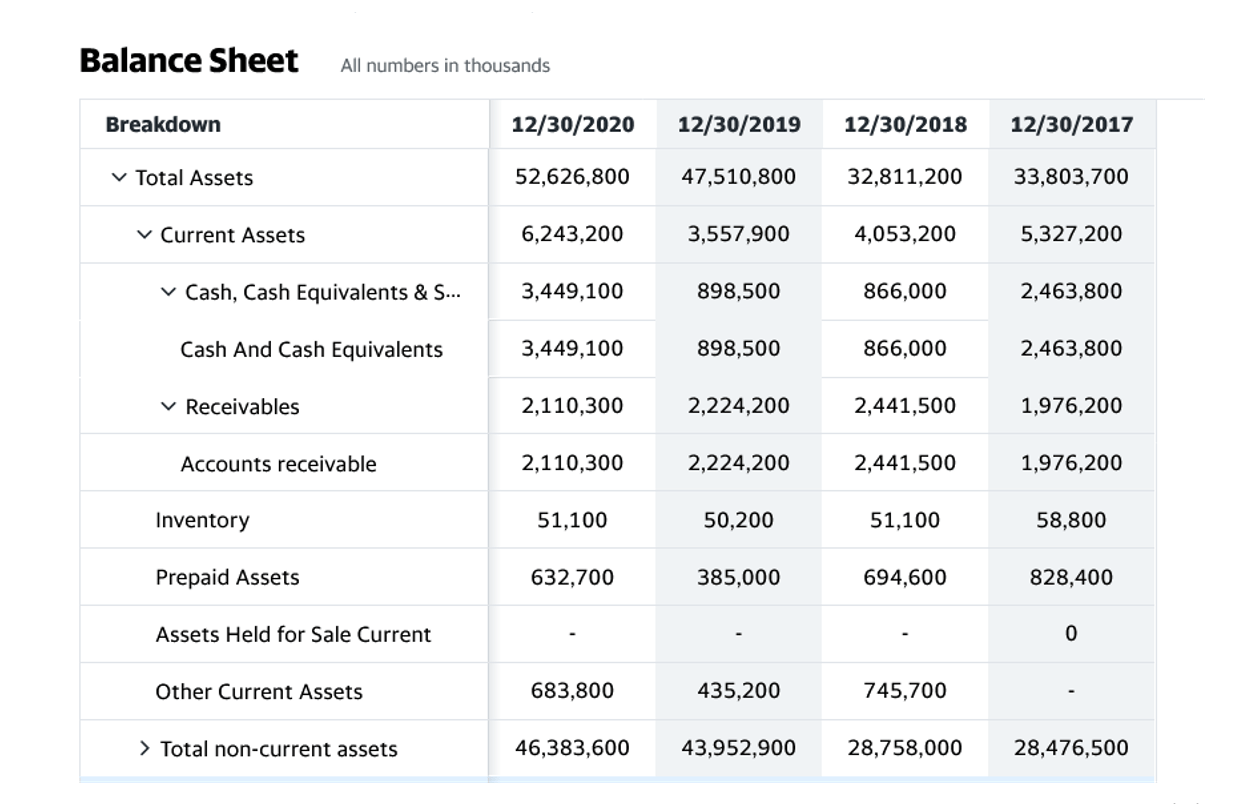
One essential component of working capital is the concept of change in working capital, which measures the difference between a company’s current assets and liabilities. Examples of changes in net working capital include scenarios where a company’s operating assets grow faster than its operating liabilities, leading to a positive change in net working capital. It’s quite easy to calculate working capital when you have already calculated total current assets and total current liabilities. So, in the table, you can see the calculated working capital for the years 2020 and 2019. Changes in net working capital can have significant implications for a company’s financial health.
Slavery Statement
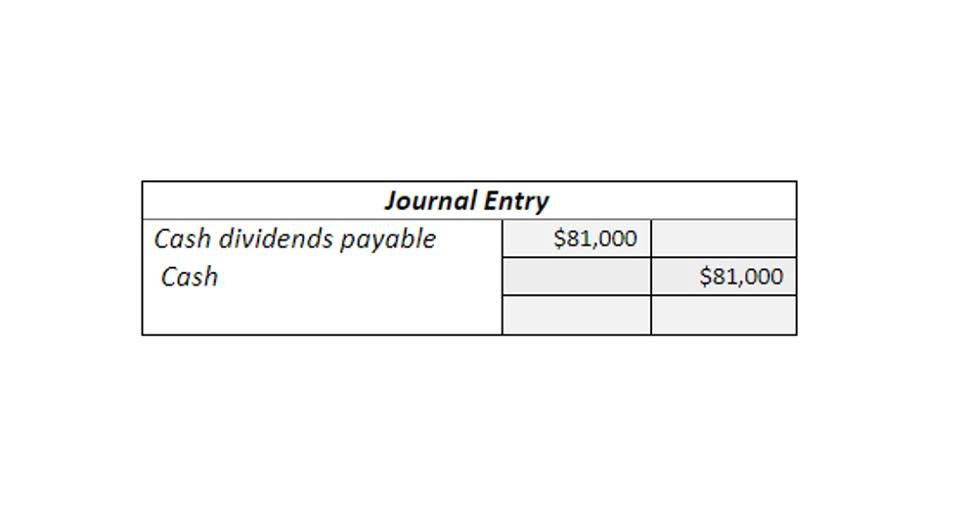
Net Working Capital plays a significant role in assessing a company’s liquidity and operational efficiency. Yes, working capital can be zero if a company’s current assets match its current bookkeeping liabilities. While this doesn’t always indicate financial health, businesses should manage their working capital carefully to have adequate liquidity and meet short-term obligations.
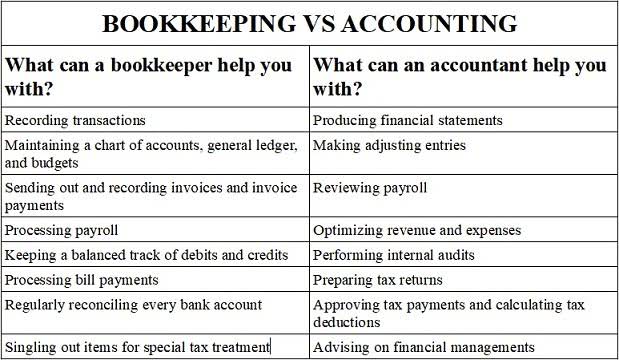
Working capital is the difference between a company’s current assets and liabilities, while net working capital is the difference between current assets and current liabilities excluding short-term debt. You’ll need to tally up all your current assets to calculate net working capital. These items can be quickly converted into cash or used up within the next year. They typically include cash in the bank, raw materials and inventory ready for sale, short-term investments, and account receivables (the money customers owe you).
Cash Application Management
- Understanding changes in working capital can help businesses identify trends and potential issues, improve cash flow management, and make more informed financial decisions.
- Note, only the operating current assets and operating current liabilities are highlighted in the screenshot, which we’ll soon elaborate on.
- Business expansion, such as launching a new product line, hiring staff, or opening new locations, often requires upfront costs that reduce working capital.
- It’s the money you use for your everyday operations – paying suppliers, covering payroll, managing inventory, and handling other short-term expenses.
- It can be used to value almost anything, from business value to real estate and financial instruments etc., as long as you know what the expected future cash flows are.
- Due to the time value of money, $1,000 today is worth more than $1,000 next year.
In financial accounting, working capital is a specific subset of balance sheet items and is calculated by subtracting current liabilities from current assets. The Current Ratio and Quick Ratio are key metrics for assessing a company’s liquidity and ability to meet short-term obligations. In this case, the increase in the company’s working capital is by $100,000, indicating that it may have improved its liquidity or reduced its short-term debt. Changes in working capital can provide important insights into a company’s financial health and can help managers make informed decisions about cash management, operations, and investments. It’s similar to a report card for a business’s financial condition, conveying its ability to manage liquidity and meet obligations. Banks, investors, and suppliers often scrutinize a company’s net working capital as part of their risk assessment before providing loans, https://www.bookstime.com/ extending credit, or forming partnerships.

0 comments
Write a comment